
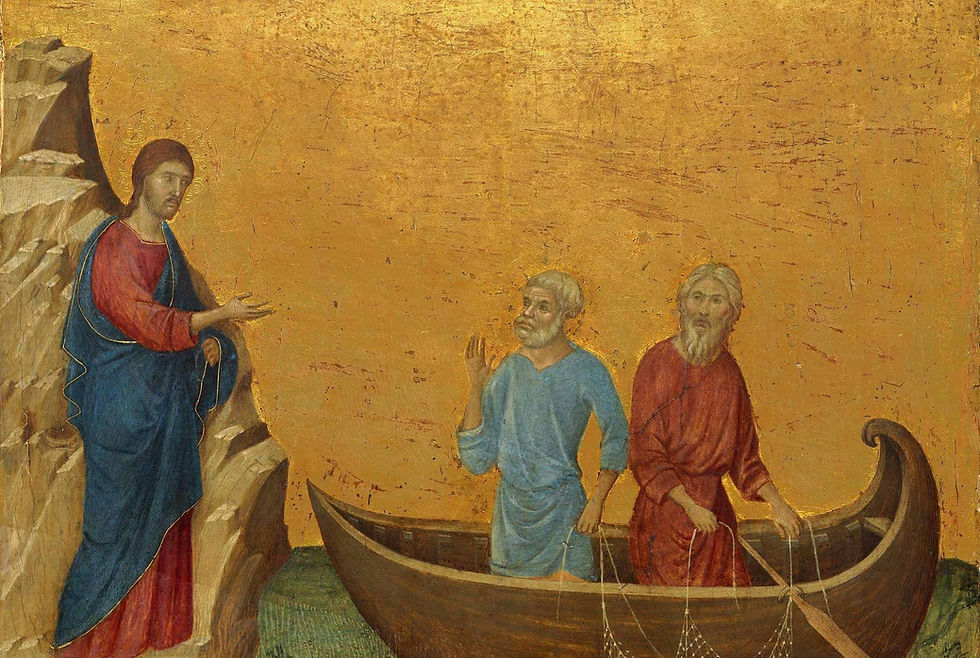
In Jesus’ earthly life, Jesus gave a share in his priesthood to the 12 apostles. In turn, the priesthood has been handed on through the authority of the Church for two millennia. The priesthood is not a position of power, but of service (Matthew 20:25-28, John 13:2-20).
Priests carry on the ministry of Jesus through the sacraments and the preaching of the Gospel, and they are called to strengthen the people of God so they might too be the light of the world.
From Jesus’ conception until his resurrection he was filled with the Holy Spirit, thus established by God the Father as our high priest and remains our high priest. Ordination to the priesthood is always a call and gift from God. Those who seek priesthood respond generously to God’s call using the words of the prophet, “Here I am, send me” (Is 6:8). This call from God can be recognized and understood from the daily signs that disclose his will to those in charge of discerning the vocation of the candidate. – United States Catholic Catechism for Adults
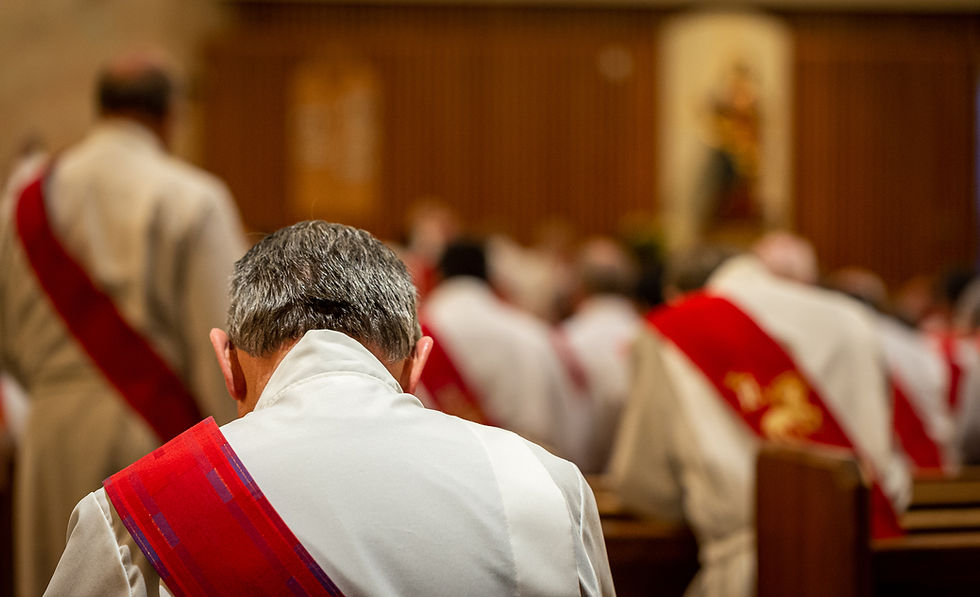
Saint Thomas More parish has a strong commitment to foster vocations to the priesthood, permanent diaconate and religious life. If you would like to talk with a priest about vocations you can email us to set up an appointment.
You may also contact the Director of Vocations at the Archdiocese of Denver at 303-282-3429.
Other Vocations
While marriage and holy orders are the two vocations that are sacraments, there are other vocations to which God may be calling you. These non-sacramental vocations profess the evangelical councils of chastity, poverty and obedience, and live a life as a professed member of a religious order or a secular institute of pontifical or diocesan right.
The vocation to religious life as a consecrated religious, a sister or brother in a religious order is a beautiful witnesses to the Christian life and love of God. Consecrated religious strengthen the Body of Christ through their prayer. Religious typically wear a habit of some sort and live in community. Religious orders are broadly categorized as either active or contemplative. If a man is a member of a religious order and is ordained a priest he does receive the sacrament of holy orders. There is a rich history in our church of consecrated brothers and sisters in religious orders and many of our greatest saints lived this vocation.
Contemplative orders prioritize inward conversion through personal and communal prayer striving to more perfectly love God and unite themselves to the Lord. Benedictines, Carthusians, Carmelites and Poor Clares are traditionally contemplative orders. Some contemplative orders are cloistered, meaning they are completely separated from the world and live in community to pray, grow closer to union with God and intercede for the whole Church.
Active orders are orders like the Franciscans, Dominicans, Jesuits and Missionaries of Charity. These orders are called active orders because they tend to have more direct interaction with the world through apostolates of preaching, teaching, missions, youth ministry, media apostolates, service ministries and more. While these orders are typically more active than their contemplative brothers and sisters, they are also prayerful and contemplative. Perhaps a more apt term for these orders is active-contemplative. Prayer and union with God is a priority of active orders as well. The Dominicans prioritize prayer because it is their prayer that informs their preaching. Active orders balance prayer and community life with active apostolates in the world.
Another non-sacramental vocation is that of a consecrated lay person. The consecrated lay person devotes their life to prayer and the service of God while remaining in the world. A consecrated lay person professes chastity, poverty and obedience and is a member of a secular institute of pontifical or diocesan right. These consecrated people live and work in world but have consecrated themselves to God. Their consecration is a witness to all of us of the complete gift of oneself to God. Remaining in their careers like doctors, nurses, lawyers, teachers, architects, aid workers or any other work, consecrated lay people live by themselves or in a community and are leaven in the field bringing Christ with them everywhere they go.

It is through Holy Orders that the mission entrusted by Christ to his apostles continues to be exercised in the Church until the end of time: thus it is the sacrament of apostolic ministry."